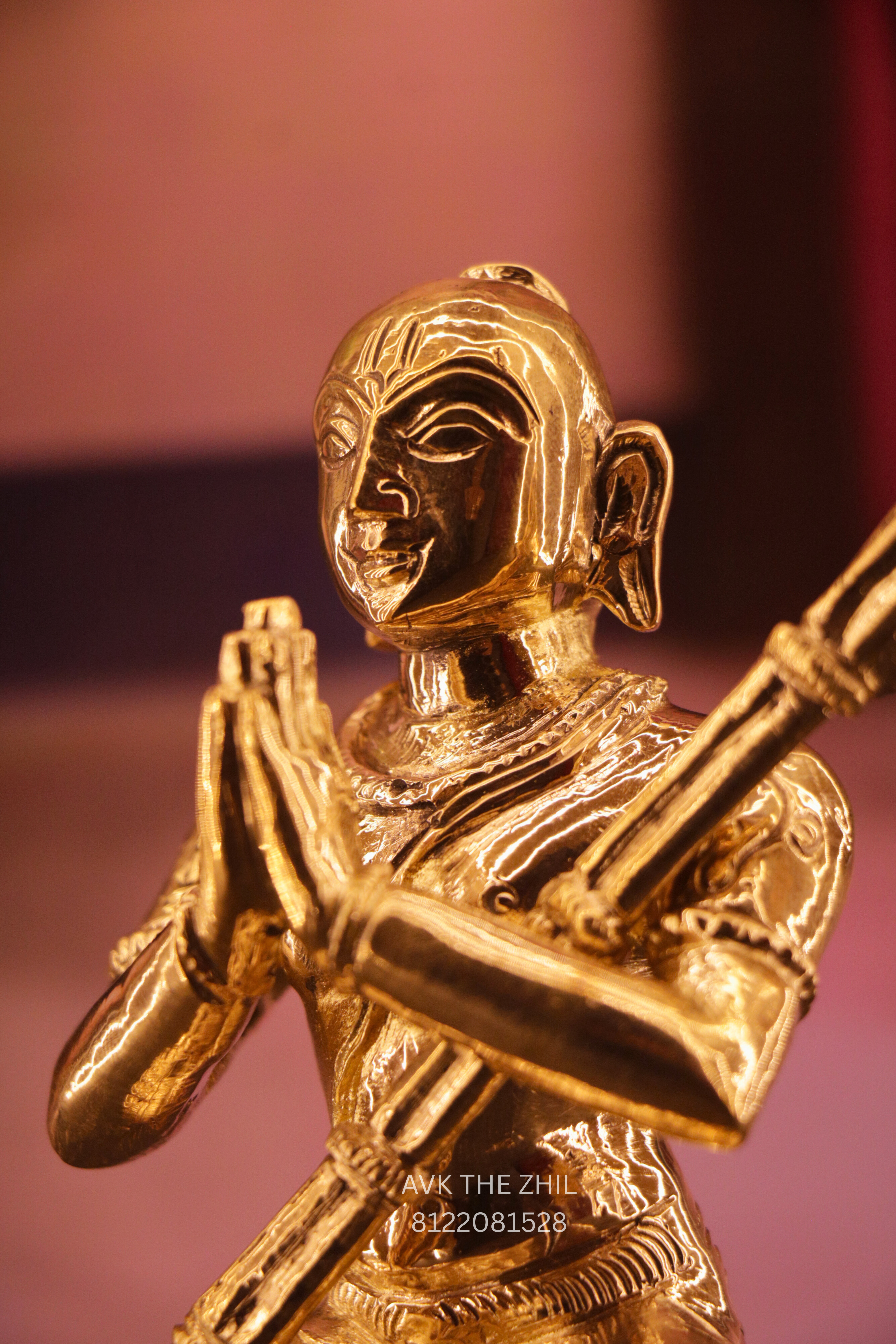
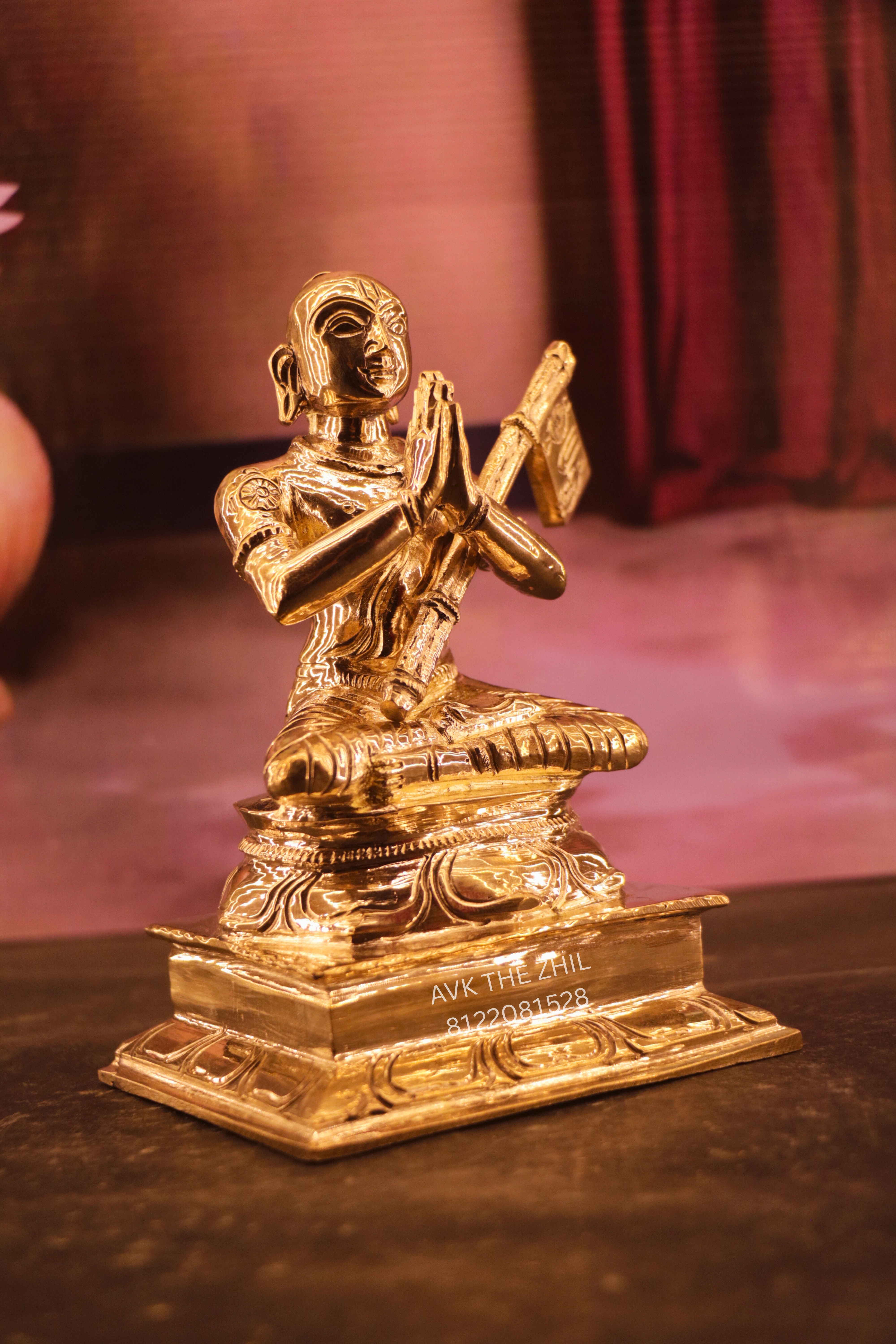
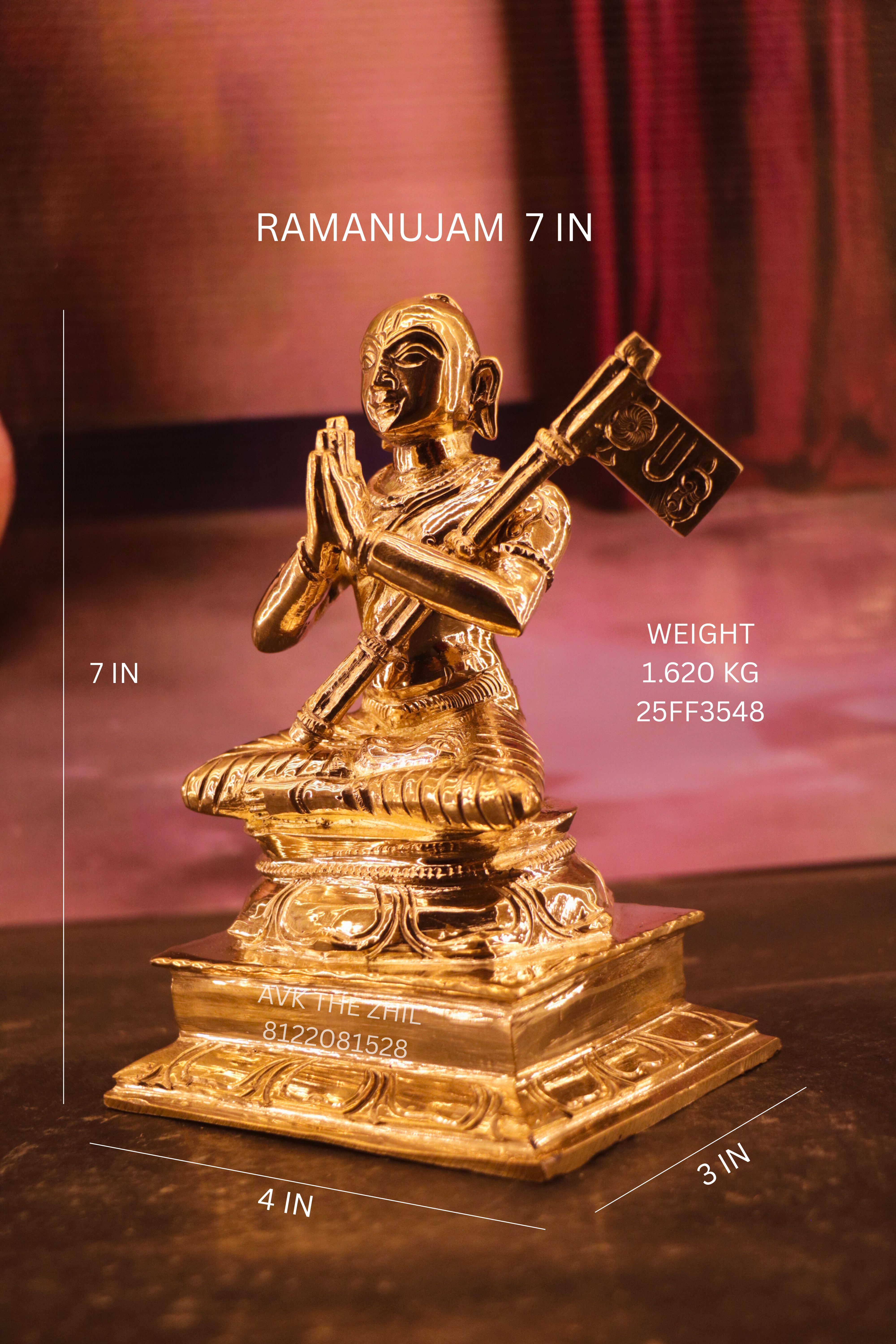
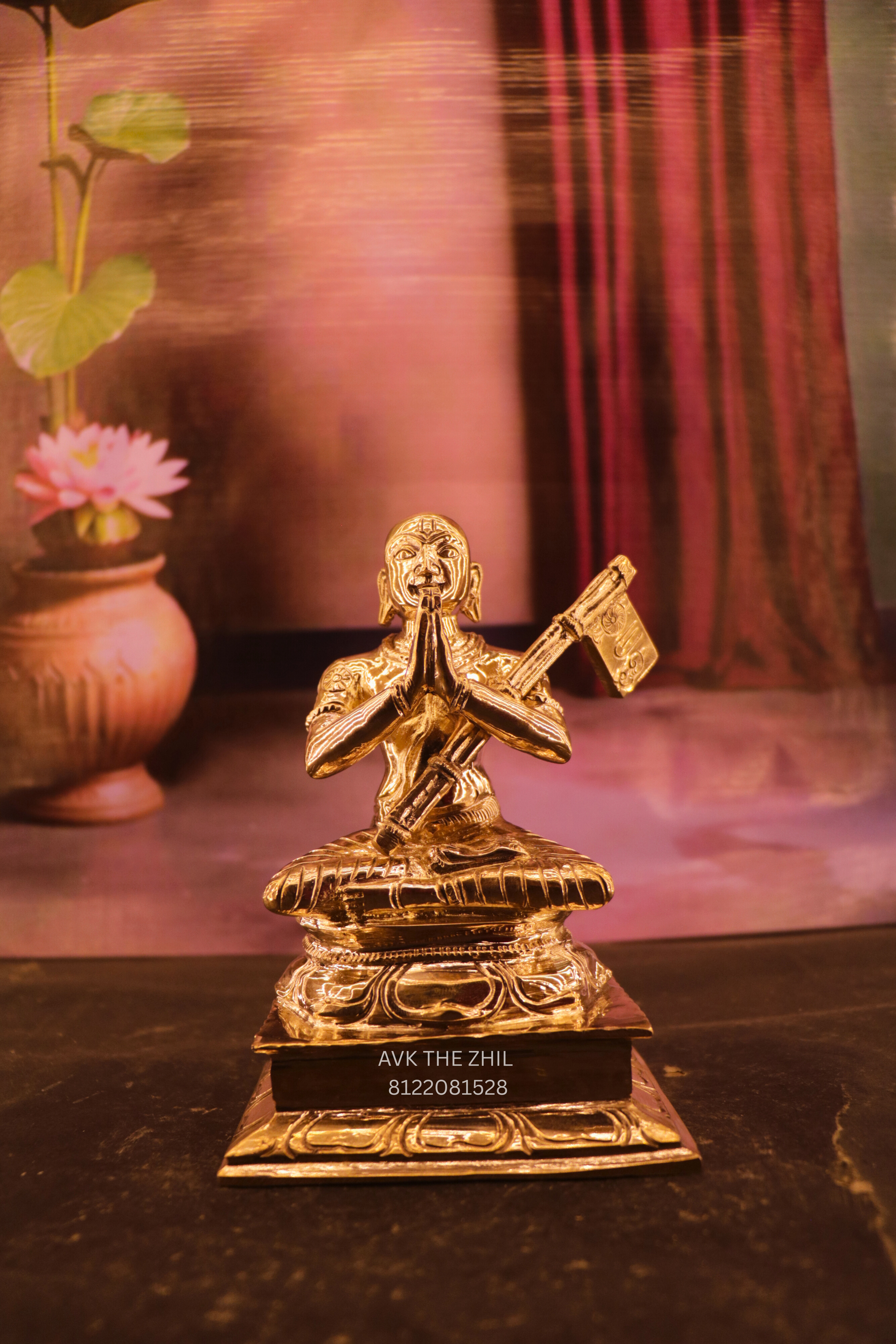
RAMANUJAM 7 INCH

Reviews & Ratings
Related products






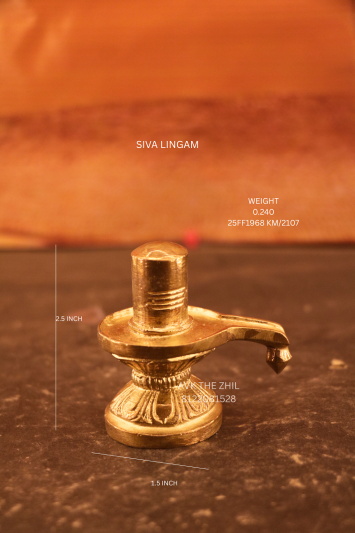
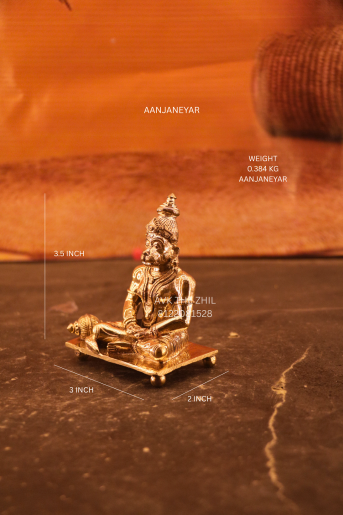
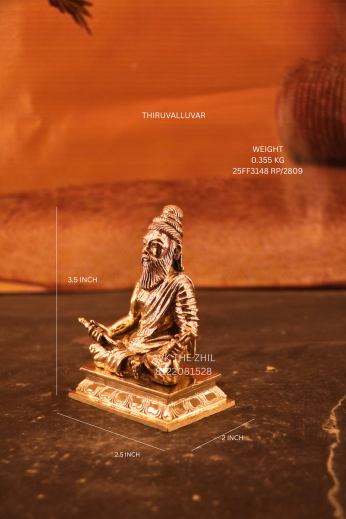
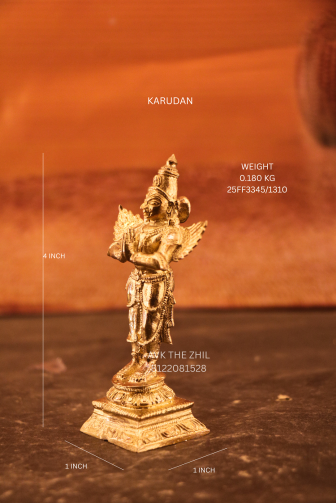

100% Secure Payment
We accept UPI, net banking, cards and other digital payment methods for seamless shopping experience

Customized Options
We provide wide range of personalized options tailored to meet every individual requirements

Free Delivery
Enjoy free shipping on orders above Rs.5000 and get safe delivery right to your doorstep!

Subscribe to our newsletter for regular updates about Offers, Coupons & more
Follow Us
Avk Zhil brings you India's largest collection of bronze statues, brass pooja items, and copper kitchen utensils – all handcrafted by skilled artisans from Kumbakonam. Whether you need divine idols, temple lamps, sacred kalash, or traditional cookware, we offer the best in purity and craftsmanship.
Founded in the year 1965, we are in the business of utensils, brass and bronze handicraft articles varying from idols to home decors
Follow Us
Quick Links
Follow Us
My Account
Categories
Contacts
-
Address
No.92, T.S.R. Big Street, Kumbakonam 612 001
-
Phone
+91 8122081528
-
Email
WE ACCEPT

-
Address
No.92, T.S.R. Big Street, Kumbakonam 612 001
-
Phone
+91 8122081528
-
Email